How to Drive a Manual Car: 10 Practical Steps for New Drivers
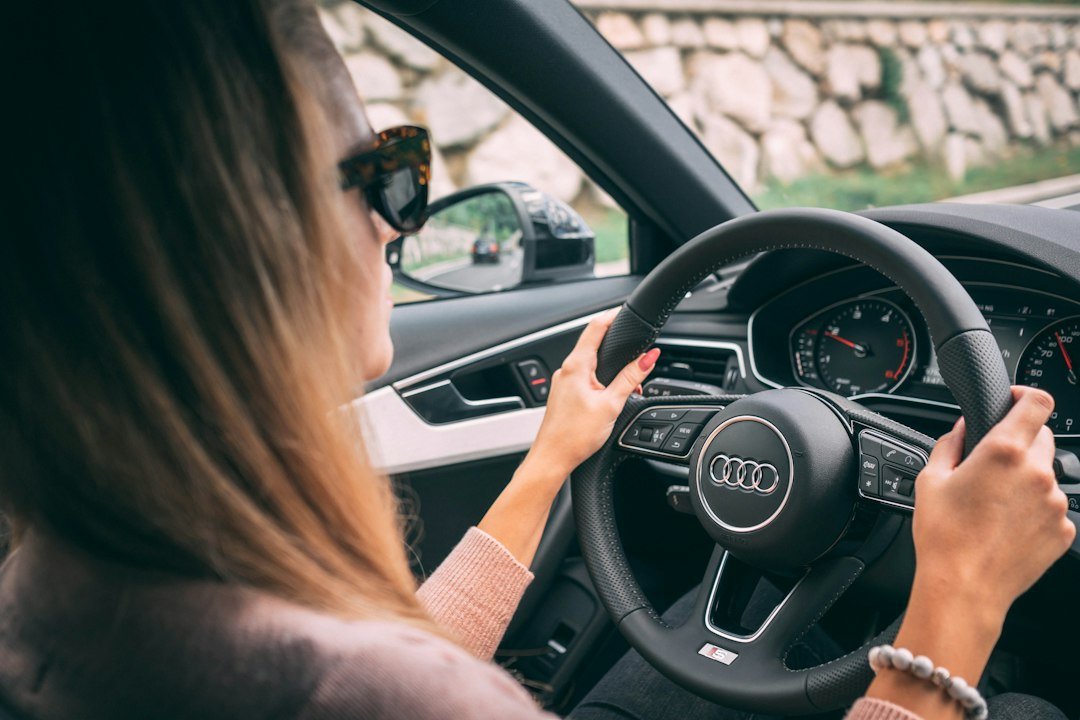
How to drive a manual car starts with pressing the clutch fully, selecting first gear, and gently releasing the clutch until you feel the bite point while adding a little throttle.
Key Takeaways
- Clutch control and bite point are the foundation of smooth starts.
- Shift gears by matching engine speed with road speed.
- Practice in a flat, low‑traffic area before tackling hills or traffic.
- Common mistakes include riding the clutch and shifting at the wrong revs.

What Makes a Manual Car Different?
A manual transmission gives you direct control over gear selection. Your left foot operates the clutch, while the right foot alternates between the brake and accelerator. The gear shifter follows an H‑pattern, typically with first gear up‑left and reverse down‑right.
Understanding the Three Pedals
The clutch disengages the engine from the wheels. Press it down to change gears. The brake slows the car, and the accelerator supplies power. Coordinating these pedals is the core skill you’ll develop.
Step 1: Find a Safe Practice Spot
Choose a large, flat, low‑traffic area such as an empty parking lot. Bring an experienced licensed driver or a qualified instructor if required. Avoid busy streets until you can start, stop, and shift confidently.
Step 2: Master the Bite Point
With the clutch fully depressed, shift into first gear. Slowly release the clutch until you feel the car’s front dip slightly – that’s the bite point. At this moment add a gentle amount of throttle and continue releasing the clutch smoothly. This prevents stalling and builds confidence.
Step 3: Accelerate and Shift to Second Gear
Once the car moves forward, press the accelerator to increase speed. When engine revs reach around 2,500–3,000 RPM (or when the car feels ready to pull), press the clutch, move the shifter to second gear, and release the clutch smoothly while adding throttle.
Step 4: Upshifting Through the Gears
Repeat the clutch‑press, gear‑change, clutch‑release pattern for each higher gear. Listen to the engine; a smooth rise in sound indicates the right shift point. Avoid shifting too early (engine will lug) or too late (excessive revs).
Step 5: Downshifting for Power and Control
When you need more power – such as approaching a hill or preparing to overtake – press the clutch, move the shifter down one gear, and release the clutch while adding a bit of throttle. This matches engine speed to wheel speed, preventing jerky deceleration.
Step 6: Hill Starts Without Rolling Back
On an incline, hold the brake with your right foot, find the bite point with the clutch, add a little throttle, then slowly release the brake while continuing to release the clutch. The car will move forward without rolling back.
Step 7: Stopping Smoothly
Press the brake as you would in any car. When the engine speed drops near idle, press the clutch to avoid stalling, then come to a full stop. Keep the car in neutral if you’ll be stopped for a while.
Step 8: Common Mistakes and How to Fix Them
- Riding the clutch: Keep the clutch fully released after the bite point; resting your foot on it causes wear.
- Stalling at start: Add a bit more throttle before releasing the clutch fully.
- Shifting at wrong revs: Listen to the engine; shift when it feels like it’s pulling harder.
- Skipping the reverse gear: Always press the clutch before moving to reverse to protect the transmission.
\n
Step 9: Practice Routine
Spend 15‑20 minutes each session focusing on one skill: starts, gear changes, hill starts, or downshifts. Record your progress in a simple checklist so you can see improvement over time.
Step 10: When to Move Into Traffic
Only enter traffic once you can start, stop, and shift smoothly in a low‑traffic area. Keep a safe distance, use your mirrors, and anticipate stops. Remember that manual driving demands more attention, so stay focused.

How to Choose a Good Learning Car
A car with a smooth clutch pedal and a clear H‑pattern shifter is ideal for beginners. Many learners start with a compact sedan that has a forgiving gearbox. If you own a vehicle, check that the clutch engages cleanly; a sticky clutch makes learning harder.
What to Do Next
- Schedule a practice session in an empty lot with a trusted driver.
- Use a checklist to track each skill you master.
- Read more about gear‑shift techniques on frontend frameworks for beginners to see how step‑by‑step learning applies across topics.
Handling Rain and Wet Roads Without Stalling
Wet weather changes everything about how a manual car behaves. The friction between your tires and the road drops significantly, meaning you need to be gentler with both the clutch and the accelerator. If you lift off the clutch too quickly on a wet surface, the rear wheels can lose traction and spin, causing the car to slide sideways. This is especially dangerous if you are in a lower gear.
Adjusting Your Technique
When driving in rain, extend the time you spend at the bite point. Instead of moving the clutch pedal just past the engagement point, hold it there for an extra second or two. This allows the engine power to transfer to the wheels gradually. Simultaneously, apply the accelerator more gently. You want a smooth, linear increase in RPMs rather than a sudden surge.
- Start slower: Take an extra beat before releasing the clutch. Patience prevents wheel spin.
- Shift earlier: Move up through the gears sooner than you would on dry pavement. Higher gears reduce the torque sent to the wheels, improving stability.
- Brake softly: Pump the brakes gently if your car lacks anti-lock brakes, and avoid abrupt stops that could lock the wheels.
A common mistake in wet conditions is trying to compensate for the slippery road by gripping the steering wheel tightly and making sharp corrections. Keep your hands relaxed and steer smoothly. If the car starts to slide, ease off the accelerator and let the car straighten out naturally. Do not brake hard, as this will worsen the slide.
Troubleshooting Stalling: Why It Happens and How to Stop It
Stalling is the most frequent frustration for new manual drivers, but it is rarely a mechanical issue. It is almost always a timing problem between the clutch, the throttle, and the engine revs. Understanding the specific cause helps you fix it faster than just trying again.
The Three Main Causes
Most stalls fall into one of three categories. First, clutch release too fast. If you dump the clutch pedal to the floor, the engine cannot handle the sudden load and cuts out. Second, insufficient throttle. The engine needs enough power to overcome the resistance of the car’s weight.
If your RPMs are too low when you release the clutch, the car will jerk or die. Third, brake interference. Many new drivers keep their left foot on the brake while trying to move off. If the brake is still slightly applied, the car cannot move, and the engine stalls under the strain.
- Check your left foot: Ensure it is completely off the brake pedal before you touch the clutch.
- Listen to the engine: If the engine sounds like it is about to die, lift the clutch pedal slightly back to the center. This gives the engine a moment to regain power.
- Hold the bite point: If the car stalls, move the clutch to the floor, put the gear in neutral, and reset. Do not panic. A stall is a free stop, not a crash.
One edge case where standard advice fails is on a steep hill. If you stall on a hill, the car will roll backward. This is why mastering the handbrake or parking brake is essential. If you feel the car rolling back before it moves forward, engage the parking brake immediately, reset the clutch, and try again. This prevents the car from rolling into traffic or pedestrians.
Reading the Gearbox: When to Shift Up or Down
Knowing when to shift is as important as knowing how to shift. Many new drivers stick to first gear for too long or rush to top gear too early. Both habits wear out the engine and reduce fuel efficiency. The key is to listen to the engine and feel the car’s momentum.
Engine RPMs as a Guide
For most modern manual cars, the ideal shifting range is between 2,000 and 3,000 RPMs. If your tachometer is available, use it. If not, listen to the engine pitch. When the engine starts to sound strained or loud, it is time to shift up. When the engine sounds sluggish or the car feels like it is not moving despite pressing the accelerator, you are in a gear that is too high and need to downshift.
- Shift up: When the engine reaches its mid-range pitch. This keeps the engine in its most efficient power band.
- Shift down: When you need to accelerate quickly, such as when overtaking or merging onto a highway. Downshifting gives you more immediate power.
- Neutral in traffic: If you are in stop-and-go traffic and expect to be stopped for more than a few seconds, consider moving to neutral to relieve pressure on the clutch. However, keep your foot off the brake if you are in a safe, stationary position.
A practical tip for highway driving is to use the highest gear available that still allows you to maintain speed without the engine struggling. This reduces fuel consumption and engine noise. If you are cruising at 60 mph and the engine is quiet and steady, you are likely in the right gear. If you have to press the accelerator hard just to maintain speed, you are in too high a gear and should downshift one or two gears.
Clutch Health: How to Avoid Wearing It Out Early
The clutch is the most expensive part of a manual car to replace. While a healthy clutch can last 60,000 to 100,000 miles or more, bad habits can cut that lifespan in half. Avoiding premature wear is about being gentle and deliberate with the pedal.
Habits to Break
The most damaging habit is riding the clutch. This happens when you keep your foot partially on the clutch pedal while driving. Even a slight pressure disengages the clutch partially, causing the clutch disc to slide and generate heat. This heat wears down the friction material quickly. Make a conscious effort to keep your left foot off the clutch pedal entirely once the car is moving. Place it on the floorrest to the left of the clutch pedal.
- Full engagement: Always push the clutch pedal all the way to the floor when shifting gears. Incomplete engagement causes grinding and damage to the synchronizers.
- Smooth release: Release the clutch slowly and steadily. Jerky movements create shock loads on the drivetrain.
- Minimal throttle at start: Only apply enough gas to get the car moving. Excessive RPMs when starting from a stop wear out the clutch faster.
If you notice the clutch pedal feeling spongy or if the car slips when you accelerate hard, the clutch may be worn. Slipping occurs when the engine RPMs rise but the car does not speed up at the same rate.
This is a sign that the friction material is worn thin and cannot grip the flywheel effectively. If you experience this, have the clutch inspected by a professional. Continuing to drive with a slipping clutch can cause further damage to the flywheel and pressure plate, leading to more expensive repairs.
Related articles
FAQ
Can I learn to drive a manual car without an instructor?
Yes, if you have a licensed driver to supervise you and a safe, low‑traffic area to practice. Many learners succeed with a knowledgeable friend, but professional instruction can accelerate progress.
How long does it typically take to become comfortable?
Comfort varies, but most beginners feel confident after 5‑10 practice sessions of 20 minutes each, focusing on starts, stops, and basic shifting.
What should I do if the car stalls?
Press the clutch, shift to neutral, and restart the engine. Practice restarting from a stall in a safe spot so you’re prepared for real‑world situations.