Business Process Optimization: Complete Guide to Improve Efficiency (2026)
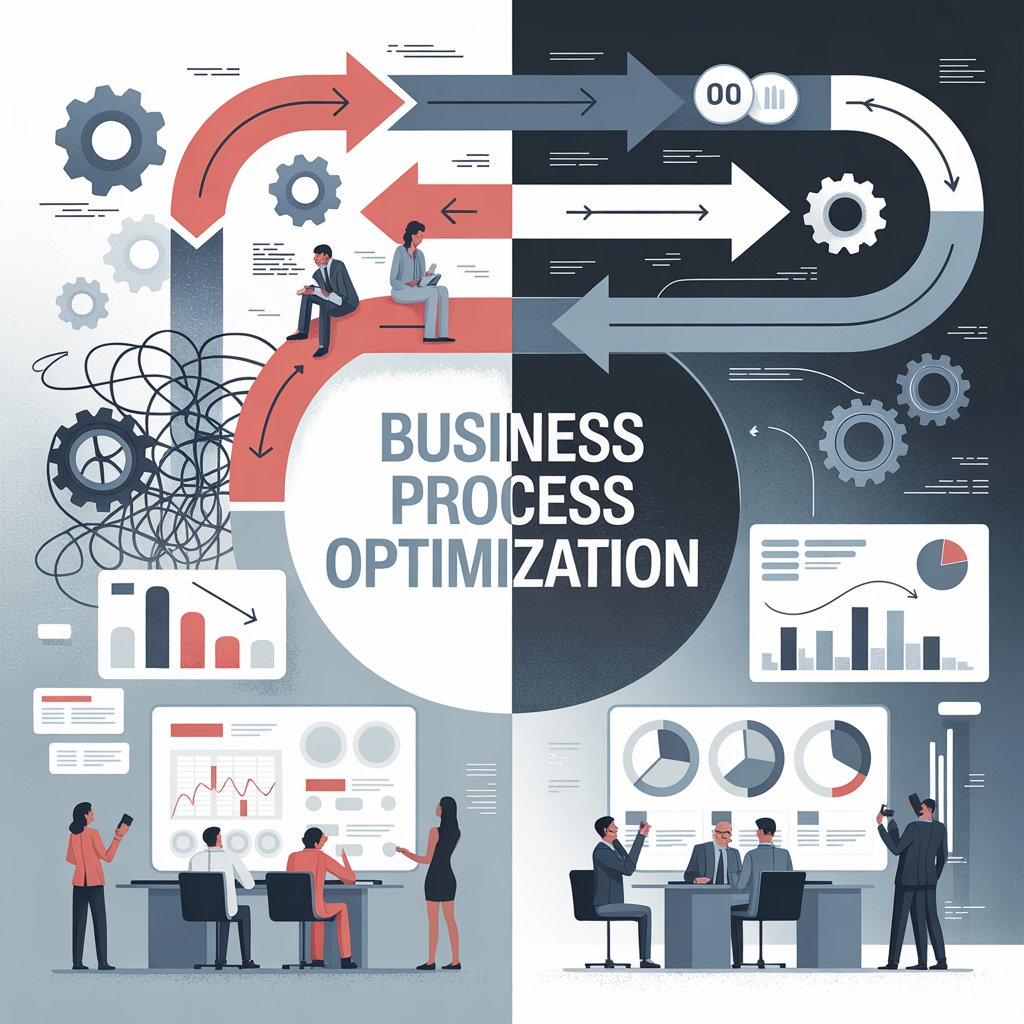
In today’s competitive business landscape, companies lose countless hours and dollars to inefficient workflows. Bottlenecks slow down operations, errors pile up, and teams feel overwhelmed by repetitive tasks that add little value.
These hidden problems don’t just frustrate employees—they hurt your bottom line and leave customers waiting longer than necessary. If your business feels stuck in outdated routines, you’re not alone.
This guide walks you through everything you need to know about business process optimization. You’ll learn practical steps, real tools, and proven strategies to streamline operations, cut costs, and boost results. By the end, you’ll have a clear roadmap to make your processes faster, smarter, and more effective.
Understanding Business Process Optimization
Business process optimization means systematically reviewing and improving how work gets done in your organization. It goes beyond quick fixes. You analyze every step, remove waste, and redesign workflows for maximum efficiency and quality.
At its core, business process optimization focuses on three goals: doing things faster, with fewer resources, and at higher standards. It draws from proven methods like Lean, Six Sigma, and business process management (BPM).
Unlike one-time automation projects, business process optimization is ongoing. You keep measuring results and tweaking as your business grows or markets change. This approach helps companies stay agile in a fast-moving world.
Think of it as tuning an engine. You don’t just add fuel—you adjust every part so the whole machine runs smoother and uses less energy. The same principle applies to your sales pipeline, customer service, or supply chain.
Why Business Process Optimization Matters in 2026 and Beyond
Markets move quicker than ever. Customers expect instant responses, and competitors use smart tools to stay ahead. Without business process optimization, even strong companies fall behind.
Global events, supply chain disruptions, and rising costs have shown how fragile old processes can be. Businesses that optimized early recovered faster and gained market share.
Studies show optimized operations deliver clear advantages. Companies see 15-25% cost savings on average, and some report up to 30% drops in operating expenses by cutting waste and duplication.
Productivity jumps too. Tasks that once took days now finish in hours. Employees spend less time on manual work and more on creative, high-value activities that drive growth.
In 2026, artificial intelligence and automation make business process optimization even more powerful. Tools now predict problems before they happen and suggest fixes in real time. Companies ignoring this risk falling behind rivals who embrace it.
The Key Benefits of Business Process Optimization
Business process optimization delivers measurable wins across your entire operation. Here are the main advantages you can expect:
- Higher efficiency and faster results: Streamlined workflows remove bottlenecks. Many organizations cut task completion time by 40-60%.
- Lower costs: You eliminate unnecessary steps and reduce errors. This often leads to 15-25% savings in operations.
- Better quality and fewer mistakes: Standardized processes catch issues early. Customers notice consistent, reliable service.
- Improved employee morale: Teams stop fighting broken systems. They focus on meaningful work and feel more productive.
- Stronger customer satisfaction: Faster delivery and fewer errors build loyalty. Happy customers return and recommend you.
- Greater agility: Optimized processes adapt quickly to changes like new regulations or market shifts.
- Data-driven decisions: Clear metrics show exactly where improvements pay off.
These benefits compound over time. A small change in one department often ripples across the business, creating bigger gains than expected.
Step-by-Step Guide to Implementing Business Process Optimization
Ready to start? Follow this proven sequence. Each step builds on the last, so take your time and involve your team.
Step 1: Identify Processes That Need Attention
Begin by listing your core workflows. Focus on high-volume or high-cost areas like order fulfillment, invoicing, or hiring.
Talk to employees who do the work daily. They know the pain points best. Use simple surveys or workshops to gather honest feedback.
Look for signs of trouble: frequent delays, high error rates, or complaints from customers or staff. Prioritize processes that impact revenue or customer experience most.
Step 2: Map Out Current Processes
Create visual diagrams of how work flows today. Tools like flowcharts or BPMN (Business Process Model and Notation) make this easy.
Document every step, decision point, and handoff. Include who does what and how long each part takes.
This mapping often reveals surprises—like duplicated efforts or steps that add no value. Many teams discover 20-30% of activities are pure waste.
Step 3: Analyze for Inefficiencies
Dig into the data. Measure cycle times, error rates, and costs for each step.
Ask key questions: Does this step add real value? Can we automate or remove it? Where do delays happen most?
Techniques like root cause analysis or value stream mapping help here. You’ll spot patterns, such as approvals that slow everything down.
Step 4: Design the Optimized Process
Redesign with simplicity in mind. Remove unnecessary steps, add automation where possible, and build in quality checks.
Involve stakeholders so the new design works in real life. Test ideas with a small pilot group before full rollout.
Aim for processes that are clear, repeatable, and scalable. Include metrics so you can track success later.
Step 5: Implement Changes Carefully
Roll out in phases. Train everyone involved and provide clear documentation.
Start small to minimize risk. Communicate why changes matter so the team buys in.
Use project management tools to track progress and handle any hiccups quickly.
Step 6: Monitor, Measure, and Refine
Optimization never really ends. Set up dashboards to watch key performance indicators (KPIs) like throughput, error rates, and customer feedback.
Review results monthly. Celebrate wins and adjust where needed. Continuous improvement keeps gains from slipping away.
Essential Tools and Technologies for Business Process Optimization
The right tools make business process optimization faster and more effective. Here are some proven options:
- Process mapping software: Tools like Lucidchart or Microsoft Visio help visualize workflows clearly.
- Business process management (BPM) platforms: Systems from vendors like Appian or Camunda let you model, automate, and monitor processes end-to-end.
- Robotic process automation (RPA): Software bots handle repetitive tasks like data entry, freeing people for strategic work.
- Process mining tools: These analyze actual data from your systems to show real performance and hidden issues.
- AI-powered analytics: Modern platforms predict bottlenecks and suggest improvements automatically.
- Low-code automation tools: Platforms like Kissflow or Blue Prism let non-technical users build workflows quickly.
According to Gartner’s Market Guide for Business Process Automation Tools, these technologies now support complex processes involving both humans and systems. They help organizations achieve digital transformation and cost optimization at scale.
Choose tools that fit your size and needs. Start simple and scale up as you gain experience.
Common Challenges in Business Process Optimization and How to Overcome Them
Business process optimization sounds straightforward, but real-world hurdles appear. Knowing them ahead of time helps you avoid setbacks.
Resistance to change tops the list. Employees worry about job security or learning new ways. Overcome this by involving them early, explaining benefits, and offering training.
Lack of clear data is another issue. Without good metrics, it’s hard to know what to fix. Start by setting up basic tracking even before full optimization.
Scope creep can derail projects. Teams try to fix everything at once and get overwhelmed. Stick to one or two processes first, then expand.
Budget constraints worry many leaders. The good news? Many gains come from low-cost changes like better procedures before expensive software.
Siloed departments create friction. Break this by forming cross-functional teams and sharing success stories across the company.
Finally, sustaining improvements requires discipline. Build regular review meetings into your routine so optimization becomes part of company culture.
Real-World Examples of Business Process Optimization Success
Seeing others succeed makes the concepts more tangible. Here are practical cases that show business process optimization in action.
Amazon transformed its warehouse operations with advanced robotics and smart inventory systems. Their Sequoia technology identifies and stores items 75% faster than before. Order processing time dropped by up to 25%, enabling quicker delivery and better same-day options. This optimization helped Amazon handle massive growth while keeping costs in check and improving safety for workers.
Toyota’s Lean Manufacturing system remains a classic benchmark. By relentlessly eliminating waste and empowering frontline workers, the company cut production time dramatically—often by 50% in key areas. Their approach influenced industries worldwide and proved that small, consistent improvements create huge advantages.
UPS optimized delivery routes using advanced algorithms. Drivers now avoid left turns when possible and follow precise paths. The result? Millions of gallons of fuel saved each year, lower emissions, and faster service.
Mini Case Study: How a Mid-Sized Manufacturer Cut Costs by 30%
Consider a real-world-style example based on patterns seen in many firms. A mid-sized electronics manufacturer faced long lead times and high defect rates in assembly. They applied business process optimization using Lean principles and basic automation.
First, they mapped the entire production line and discovered redundant quality checks and manual data entry that added no value. Next, they standardized work instructions and introduced simple RPA for inventory updates.
Within six months, assembly time fell 35%, defects dropped 40%, and overall operating costs decreased by 30%. Employees reported less stress and higher job satisfaction. The company used the savings to invest in new product development, growing revenue while competitors struggled.
This mini case shows how targeted changes deliver quick returns without massive upfront spending.
How to Measure the Success of Business Process Optimization
You can’t improve what you don’t measure. Track these key metrics after implementing changes:
- Cycle time (how long a process takes from start to finish)
- Error or defect rates
- Cost per transaction or unit
- Customer satisfaction scores
- Employee productivity indicators
- Return on investment (ROI) from optimization efforts
Set baselines before you start so you can compare results fairly. Review progress quarterly and adjust as needed.
People Also Ask About Business Process Optimization
What is the main goal of business process optimization? The primary goal is to make operations more efficient, reduce costs, and improve quality while aligning processes with business objectives.
How long does it take to see results from business process optimization? Most companies notice initial improvements within 3-6 months. Bigger gains often appear after 9-12 months of consistent effort and refinement.
Is business process optimization only for large companies? No. Small and mid-sized businesses benefit greatly. Many start with simple mapping and low-cost tools and scale up as they grow.
What is the difference between business process optimization and automation? Optimization reviews and improves the entire process first. Automation then applies technology to the improved version for even greater speed and accuracy.
Can business process optimization help with compliance and risk? Absolutely. Standardized processes reduce errors and create clear audit trails, making regulatory compliance easier and lowering overall business risk.
Frequently Asked Questions About Business Process Optimization
How much does business process optimization typically cost? Costs vary widely. Small projects using free tools and internal teams might run a few thousand dollars. Larger initiatives with software and consultants can reach tens or hundreds of thousands. Many companies recoup costs within the first year through savings.
Do I need special software to start business process optimization? Not necessarily. You can begin with paper, whiteboards, or free tools like Microsoft Excel for mapping. As you scale, dedicated BPM or automation software becomes helpful.
What role do employees play in successful business process optimization? Employees are central. They provide frontline insights, help test new designs, and make daily improvements sustainable. Without their buy-in, even the best plans fail.
How does business process optimization relate to Lean and Six Sigma? These are popular methods within business process optimization. Lean focuses on eliminating waste, while Six Sigma targets variation and defects. Many organizations combine both for powerful results.
Can business process optimization work in service industries? Yes. Banks, hospitals, law firms, and marketing agencies all optimize processes like client onboarding, claims processing, or campaign approval workflows with great success.
What if my team resists the changes? Address concerns openly. Show clear benefits for their daily work, provide training, and celebrate early wins. Involving them in the design phase usually reduces resistance significantly.
Is business process optimization a one-time project or ongoing? It is ongoing. Markets, technology, and customer needs change constantly. The most successful companies treat optimization as a continuous part of their culture.
Conclusion
Business process optimization isn’t just another buzzword—it’s a practical way to make your company faster, leaner, and more competitive. By understanding your current workflows, removing waste, applying the right tools, and measuring results, you unlock real gains in efficiency, cost savings, and customer satisfaction.
You’ve now seen the full picture: clear definitions, step-by-step guidance, proven benefits, real examples, and answers to common questions. The companies that thrive today are the ones that treat processes as assets worth investing in.
Take the first step today. Pick one process that’s causing headaches, map it out, and start optimizing. Your team, your customers, and your bottom line will thank you.
Ready to transform how your business runs? Gather your team, choose a starting point, and begin your business process optimization journey now. The results will speak for themselves.




3 comments