2026 Winter Olympics Alpine Skiing: Venues and Key Dates
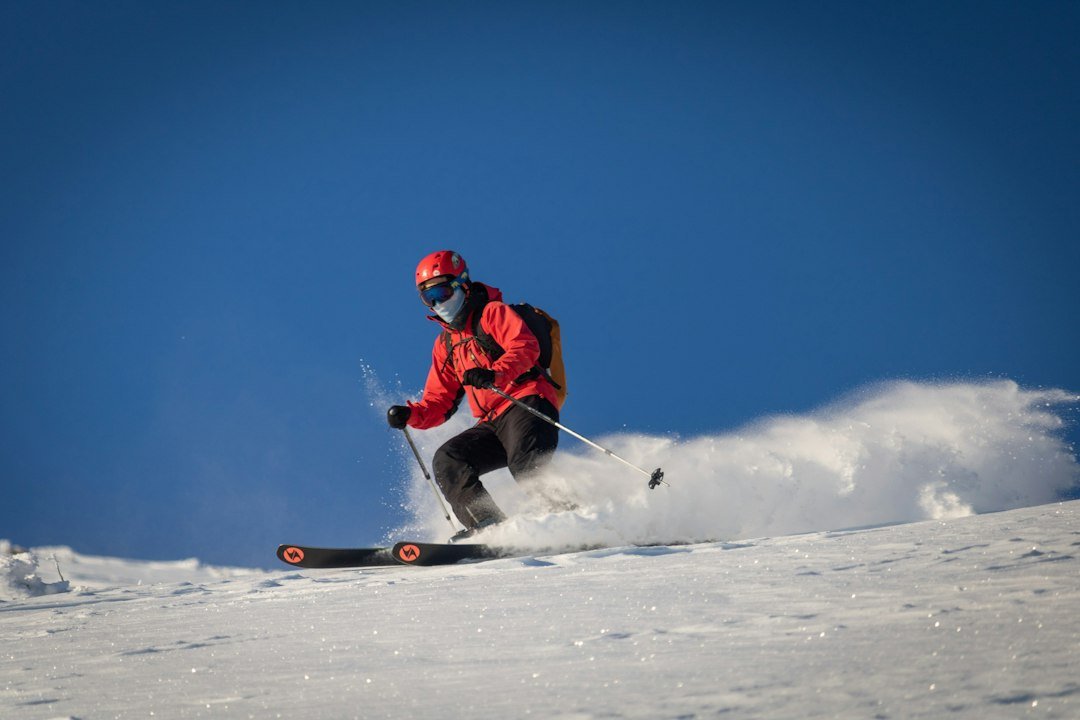
The 2026 Winter Olympics alpine skiing competition features ten distinct events held across two historic venues in Italy. The schedule kicks off on February 7, 2026, with the men’s downhill race. Fans can follow the action in Cortina d’Ampezzo and Bormio, where the Olympic events will take place against the backdrop of the Italian Alps.
Key Takeaways
- Competition begins on February 7, 2026, starting with the men’s downhill event.
- Women race at the Olympia delle Tofane in Cortina d’Ampezzo.
- Men navigate the Stelvio course in Bormio, known for technical difficulty.
- Team Canada and US athletes are central to the expected storylines.
- Official start lists are published shortly before each specific race phase.
Where do the races happen?
The alpine skiing events are split between two famous locations. Women compete at the Olympia delle Tofane in Cortina d’Ampezzo. This course is noted for being as visually stunning as it is unforgiving for athletes. Men race down the Stelvio in Bormio. That track is widely considered one of the most technically demanding in the sport. Both venues have deep roots in World Cup history, offering a steep and challenging environment for the Olympic trials.

What is the official schedule?
The competition commences on February 7, 2026. The first event on the calendar is the men’s downhill. The schedule covers all major disciplines, including downhill, slalom, giant slalom, super-G, and combined events. Times are displayed in the viewer’s local time zone on official platforms. These schedules are updated to reflect any changes that occur during the Games. Athlete names appear on the schedule only after the start lists for the respective events are officially published.
Which athletes are in the spotlight?
Mikaela Shiffrin is a primary focus for many viewers. She returned to the Olympic stage after a series of DNFs in Beijing, aiming to prove herself against critics and fans. The United States team is also a major point of interest, having matched their combined Alpine medal total from the previous games.
Swiss Alpine skiers are also expected to perform well, with the potential for record-breaking results. Federica Brignone is another athlete to watch, having returned to competition with strong form.

How to follow the results
Official Olympic platforms provide real-time updates on medal results and highlights. You can track the progress of specific teams, such as Team Canada, through dedicated national schedules. These resources offer detailed dates and times for each phase of the competition. For the most accurate information, always check the official Olympic website or national Olympic committee pages. These sources ensure you have the latest start lists and any schedule adjustments.
What makes these courses special?
The venues for the 2026 Winter Olympics alpine skiing are not just race tracks; they are historical sites. Cortina d’Ampezzo and Bormio have hosted major international competitions for decades. The Olympia delle Tofane offers a unique visual experience with its steep gradients. The Stelvio in Bormio challenges skiers with its technical precision requirements. These courses demand a high level of skill and focus from the athletes, making the Olympic events particularly dramatic and intense.
How does this fit into the broader Games?
Alpine skiing is often one of the first major sports to capture attention at the Winter Olympics. The early start date means fans can engage with the competition immediately. The mix of speed events like downhill and technical events like slalom provides variety for viewers. Each event requires different skills, from raw power to precise edge control. This variety ensures that different types of athletes can shine on the global stage.
What should you know before watching?
Understanding the difference between disciplines helps you appreciate the competition. Downhill focuses on maximum speed, while slalom requires quick turns. The combined events test both speed and technical ability. Knowing the specific courses and their reputations adds context to the athletes’ performances. This knowledge turns a simple race into a deeper understanding of the sport’s nuances and challenges.
For those interested in the technical side of event management, similar data tracking and optimization principles apply to business tools. You might explore how database optimization works in tech contexts, though the focus here remains on the athletic performance on the slopes.
What to do next
- Check the official Olympic website for the latest start lists and schedule updates.
- Identify the specific events you want to watch, noting the time zone differences.
- Follow national team pages for athlete-specific news and behind-the-scenes stories.
How do I pick the best spot to watch Alpine skiing at the 2026 venues?
First, decide whether you want the thrill of the start gate, the drama of the finish line, or a panoramic view of the whole run. Each location offers a different experience, and the right choice depends on your priorities.
Start‑gate viewing
Being at the start lets you feel the athletes’ focus as they line up. Look for designated spectator zones that are marked as “Start‑Gate Access” on the venue map. Bring a compact chair or a blanket; the area can get chilly early in the morning, and the crowd tends to thin out after the first few runs.
Finish‑line viewing
The finish is where the excitement peaks. Most venues have a “Finish Plaza” with large screens showing live timing. Arrive at least 30 minutes before the scheduled run to claim a good spot, because the best positions are taken quickly. A small pair of binoculars helps you track the skier as they cross the line.
Mid‑course panoramas
If you prefer to watch the whole line, locate the “Observer Platforms” that sit on the side of the slope. These platforms are often higher than the course and give a clear view of turns, jumps, and terrain features. Check the venue’s accessibility guide for wheelchair‑friendly routes.
- Ask staff for the exact location of each viewing area; signage can be sparse.
- Dress in layers – altitude and wind can make temperatures drop dramatically.
- Bring ear protection if you sit near the start, where the roar of the crowd and the ski lifts can be loud.
Step‑by‑step guide to understanding Alpine skiing event formats
Knowing the format helps you follow the action without getting lost. Alpine skiing at the Winter Games includes five disciplines, each with its own timing and run structure.
1. Downhill
One run only. The fastest time wins. The course is the longest and fastest, with few gates and big jumps. Watch for the “split times” displayed after each athlete; they show where a skier gained or lost ground.
2. Super‑G
Also a single run, but the gate layout is tighter than downhill. Speed is still the primary factor, but technical skill matters more. Mistake: assuming the same skiers dominate both downhill and Super‑G – some athletes specialize in one.
3. Giant Slalom
Two runs on the same slope, set on different gate configurations. The combined time decides the winner. If a skier crashes on the first run, they are out; there is no second chance.
4. Slalom
Shortest course, most gates, two runs. Because the gates are close together, quick reflexes are essential. A common error for casual viewers is to think a missed gate disqualifies a skier – actually, the skier must climb back up and pass the gate correctly to stay in the race.
5. Alpine Combined
One downhill (or Super‑G) run plus one slalom run. The times are added together. This event rewards versatility. If you’re tracking the combined standings, add the two times yourself or use the official timer, as the broadcast may show only the leader’s total.
What mistakes do first‑time spectators make and how to avoid them
Even seasoned fans slip up when they attend a live Alpine event. Below are the most common pitfalls and practical ways to sidestep them.
Missing the start time
Schedules are posted in local time, and the official program often lists a “window” rather than an exact minute. Check the venue’s app or the printed schedule the night before, and set an alarm for 15 minutes before the first run. Arriving late means you’ll miss the crucial first‑run times, which set the order for later runs.
Overpacking food and drink
Many venues have strict bag policies and limited concession stands. Pack a small, resealable snack and a reusable water bottle that complies with the security guidelines. A lightweight snack prevents you from having to leave the slope area for a meal, which can cause you to miss a run.
Assuming all athletes compete in every discipline
Specialists focus on speed events (downhill, Super‑G) while others excel in technical events (slalom, giant slalom). If you’re rooting for a particular skier, verify which events they entered; otherwise you might wait in vain for a name that never appears.
Neglecting altitude effects
Higher elevations can cause shortness of breath and quicker fatigue. Drink water regularly, and consider a short warm‑up before heading to the slope. A brief walk around the venue before the event helps your body adjust to the thinner air.
- Plan your transport to arrive early; traffic around the mountain can be unpredictable.
- Check weather forecasts; sudden snow or wind can change the schedule.
- Carry a small first‑aid kit with band‑aids and pain relievers, as minor injuries are common on steep terrain.
By choosing the right viewing spot, understanding each event’s format, and steering clear of typical mistakes, you’ll get the most out of the Alpine skiing competition at the 2026 Winter Olympics.
Related articles
- QuickBooks vs Xero vs FreshBooks Pricing for Startups (2026): Avoid Hidden Traps in US & UK
- CRM Software Pricing Comparison for Startups (2026): Real Costs, Hidden Fees & 5-User Breakdown
Frequently Asked Questions
When does the alpine skiing start?
The competition starts on February 7, 2026, with the men’s downhill event. This is the first day of alpine skiing at the 2026 Winter Olympics.
Where are the women’s races held?
Women’s races are held at the Olympia delle Tofane in Cortina d’Ampezzo. This venue is known for its beautiful and challenging course.
How many events are there?
There are ten Olympic events in alpine skiing. These include downhill, slalom, giant slalom, super-G, and combined events for both men and women.